Transgenic mice with chronic inflammation ate a high-fat casein diet with or without krill powder for six weeks. The krill group ended with lower hepatic and plasma triacylglycerol and cholesterol, reduced cholesterol-synthesis gene expression and less liver TNF-alpha.
Section archive
Heart Disease
- All desks
- Abortion
- Accutane
- Acetaminophen
- Acid Reflux
- Acidic Foods
- Acne
- Acrylamide
- Acupuncture
- Additives
- ADHD
- Adiposity
- Advisories
- Aerobic Exercise
- Aflatoxin
- Agave
- Agent Orange
- Aging
- Agriculture
- AIDS
- Air Pollution
- Airline Passengers
- Airport
- ALA
- Alcohol
- Alcoholic Beverage
- Alerts
- Allergy
- Alli
- Aloe Vera
- ALS
- Alternative Medicine
- Aluminum
- Alzheimer's
- Amalgam
- AMD
- Ampyra
- Amygdala
- Anal Cancer
- And
- Anemia
- Angiogenesis
- Animal Protein
- Animals
- Anorexia
- Anthocyanins
- Anthrax
- Anti-Angiogenesis
- Anti-Obesity
- Antibacterial
- Antibiotic
Disease
Brushing your teeth, treating gum disease can't prevent heart disease
In a Circulation scientific statement drawing on a three-year review of 600 studies, the American Heart Association says gum disease neither causes cardiovascular disease nor raises its risk, so brushing and flossing should not be expected to prevent heart attack or stroke.
Supplements
Fish Oil Does Not Prevent Heart Disease
A meta-analysis in the Archives of Internal Medicine pooled 14 studies covering 20,485 patients with a history of heart problems and found fish oil supplements did not prevent recurrence. The authors say the evidence fails to support their widespread use by heart patients.
Food
Solid evidence: Drinking regular cola likely boosts heart disease risk
Over six months, 47 overweight adults drank a liter a day of regular cola, milk, diet cola or water. The cola group ended with far more liver, muscle and visceral fat and higher triglycerides and cholesterol than at baseline, while milk and diet cola lowered systolic blood pressure.
Heart & Blood
Sugar-sweetened sodas up coronary heart disease risk
Men in the highest quartile of sugar-sweetened beverage intake were 20 percent more likely to develop coronary heart disease than those in the lowest, in a 22-year study of 42,883 men. Artificially sweetened drinks showed no association with heart disease or the biomarkers measured.
Heart & Blood
Tea and vegetables, but not fruit and coffee cut cardiovascular disease risk - Study
Among 148 Polish adults aged 40 to 70, high intakes of tea and vegetables went with lower levels of asymmetric dimethylarginine, a cardiovascular biomarker, after adjustment for age, sex, BMI and smoking. Fruit showed no association, and coffee correlated with higher risk.
Food
Processed meat linked to diabetes type 2 - studies
In the Strong Heart Family Study, American Indians with the highest processed meat intake were 63% more likely to develop type 2 diabetes over five years than those with the lowest, while unprocessed red meat showed no link, unlike in earlier Harvard findings.
Vitamins
Too much of vitamin D may harm the heart
In more than 15,000 people, Johns Hopkins researchers found vitamin D lowered c-reactive protein only up to normal blood levels; above that, CRP rose. Lead author Muhammad Amer says the vitamin helps the heart at low levels but at some point can be too much of a good thing.
Drug
Pediatric anticancer drugs, other drugs linked to heart disease
University at Buffalo researchers compared 487 childhood cancer survivors, 170 of them with anthracycline-related cardiomyopathy, and identified a gene variant tied to cardiotoxicity risk. They stress the work shows association, not cause, and that the drugs remain effective.
Minerals
Population-wide salt reduction may do more harm than good
A meta-analysis of 167 studies found a low-salt diet lowered blood pressure by 3.5 mmHg in people with hypertension and under 1 mmHg in others, while raising renin, aldosterone, adrenaline, noradrenaline, cholesterol and triglycerides.
Food
Eating your greens can change the effect of your genes on heart disease, say researchers (PR)
Among more than 27,000 people from five ethnicities, carriers of the high-risk 9p21 genotype who ate a diet built on raw vegetables, fruits and berries had a heart attack risk similar to those with the low-risk genotype, McMaster and McGill researchers report in PLoS Medicine.
Food
Chocolate consumption linked to lower heart risk
Pooling seven studies of more than 100,000 people, Oscar Franco's team found the highest chocolate consumers had 37% less cardiovascular disease and 29% less stroke, but no less heart failure. The authors stress no study shows chocolate causes the reduction.
Food
Cholesterol lowering foods prevent heart disease
A JAMA study found six months on a diet built around soy foods, plant sterols and nuts cut LDL cholesterol by as much as 14 percent from baseline, against 3 percent for a low-saturated-fat, high-fibre diet. Two levels of clinic support produced similar results.
Diet
Clinton: being a vegan prevents and cures heart disease
Bill Clinton went vegan after heart surgery on advice from Dean Ornish and Caldwell Esselstyn, dropping meat, dairy, eggs and nearly all oil. He lost considerable weight and says he feels more energetic; Ornish holds that a plant-based diet can reverse heart disease in most people.
Drug
Breast cancer drug herceptin boosts heart disease risk
Of 45 women aged 70 to 92 taking herceptin, 12 developed heart problems, an Annals of Oncology study found: 33% of those with prior heart disease versus 9.1% without. The authors say early trials enrolled younger, healthier women and urge caution in patients with heart disease or diabetes.
Food
More evidence suggests fructose boosts heart disease risk
Adults who took 25 percent of their calories from fructose or high fructose corn syrup for just two weeks showed higher LDL cholesterol, triglycerides and apolipoprotein-B. Glucose produced no such change. US dietary guidelines allow added sugar up to that same 25 percent.
Heart & Blood
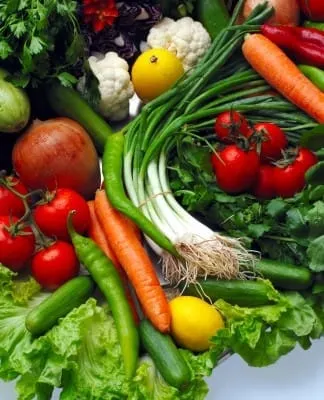
Eating fruit, vegetables cuts death risk of ischemic heart disease
Nutrition
Attention: Vitamin D may help prevent heart disease, stroke
Men who took in 600 IU or more of vitamin D a day were 28 percent less likely to have heart disease or stroke than those getting 100 IU or less, Qi Sun of Harvard and colleagues report. Women showed a 16 percent reduction that researchers said was not statistically significant.
71 stories