Among 2,590 middle-aged Finnish men followed 16.2 years, those with the highest flavonoid intake were 73 percent less likely to develop lung cancer, and every case occurred in a current or former smoker. No protective link appeared for prostate or colorectal cancer.
Section archive
Page 189 of 189
Nutrition
Vitamins, minerals, supplements, herbs and diet: the research on how what we eat shapes our health.
- All desks
- Abortion
- Accutane
- Acetaminophen
- Acid Reflux
- Acidic Foods
- Acne
- Acrylamide
- Acupuncture
- Additives
- ADHD
- Adiposity
- Advisories
- Aerobic Exercise
- Aflatoxin
- Agave
- Agent Orange
- Aging
- Agriculture
- AIDS
- Air Pollution
- Airline Passengers
- Airport
- ALA
- Alcohol
- Alcoholic Beverage
- Alerts
- Allergy
- Alli
- Aloe Vera
- ALS
- Alternative Medicine
- Aluminum
- Alzheimer's
- Amalgam
- AMD
- Ampyra
- Amygdala
- Anal Cancer
- And
- Anemia
- Angiogenesis
- Animal Protein
- Animals
- Anorexia
- Anthocyanins
- Anthrax
- Anti-Angiogenesis
- Anti-Obesity
- Antibacterial
- Antibiotic
Phytochemicals
Red wine compound may retard cardiac aging process
Mice fed a low dose of resveratrol from 14 to 30 months of age showed blocked age-related change in 92% of heart genes, close to the 90% seen with calorie restriction, in a PLoS ONE study. Earlier work had tested only high doses; this one is still in mice.
Food
Fruits, vegetables, and tea cut risk of lung cancer in smokers
In a case-control study of 558 lung cancer patients and 837 controls, higher intake of epicatechin, catechin, quercetin and kaempferol was linked to 32 to 51 percent lower lung cancer risk among smokers. The associations did not appear in nonsmokers.
Vitamins
Low vitamin D linked to high risk of leg artery disease
In a national survey of 4,839 US adults, 8.1% of those with the lowest vitamin D levels had peripheral artery disease versus 3.7% of those with the highest. The study was not a trial, so it cannot show that low vitamin D causes PAD or that supplements would help.
Vitamins
Vitamin D may reduce risk of type 1 diabetes
A study in Diabetologia found people living at or near the equator, where sunshine is abundant, had lower rates of type 1 diabetes. Lead author Cedric Garland suggests childhood cases may be preventable with a modest 1,000 IU a day of vitamin D3 in children.
Food
Raw milk pros: Review of the peer-reviewed literature
A review of the literature: European studies find raw milk products in childhood have a protective effect for asthma, hay fever and eczema, but no author recommends raw milk for that, given pathogens such as EHEC and Salmonella. No paper supports a raw milk-autism link or raw milk as a probiotic.
Food
Breastfeeding, infant death, HIV infection
Two NIH-supported studies in the New England Journal of Medicine: weaning infants of HIV-positive mothers abruptly at four months brought no benefit and raised death rates among already-infected babies, while 14 weeks of nevirapine, alone or with zidovudine, greatly cut infection.
Food
Organic milk contains higher nutrients
Newcastle University research ties organic milk's nutrient edge to what the cows eat: grazing on grass and clover yielded milk with a healthier fatty acid profile and more fat-soluble vitamins and antioxidants, says lead author Gillian Butler. Cows need not be certified organic, she notes.
Food
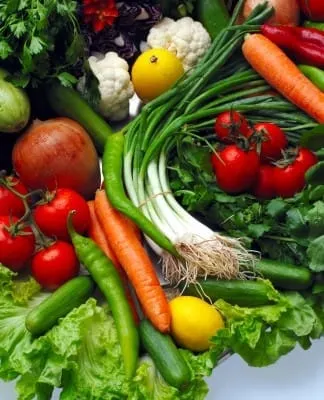
Dietary antioxidants fight esophageal cancer
Nutrition
Manganese rich foods
A USDA table ranks foods by manganese per common measure. Raw oat bran tops it at 5.292 mg a cup, ahead of whole-grain wheat flour at 4.559 mg, dry bulgur at 4.267 mg and canned pineapple at about 2.8 mg.
3394 stories