University of Michigan researchers injected sulforaphane from broccoli into mice with breast cancer and counted fewer cancer stem cells in the tumors. Cells from treated mice could not seed new tumors, and human breast cancer cells behaved similarly.
Section archive
Page 10 of 12
Breast Cancer
- All desks
- Abortion
- Accutane
- Acetaminophen
- Acid Reflux
- Acidic Foods
- Acne
- Acrylamide
- Acupuncture
- Additives
- ADHD
- Adiposity
- Advisories
- Aerobic Exercise
- Aflatoxin
- Agave
- Agent Orange
- Aging
- Agriculture
- AIDS
- Air Pollution
- Airline Passengers
- Airport
- ALA
- Alcohol
- Alcoholic Beverage
- Alerts
- Allergy
- Alli
- Aloe Vera
- ALS
- Alternative Medicine
- Aluminum
- Alzheimer's
- Amalgam
- AMD
- Ampyra
- Amygdala
- Anal Cancer
- And
- Anemia
- Angiogenesis
- Animal Protein
- Animals
- Anorexia
- Anthocyanins
- Anthrax
- Anti-Angiogenesis
- Anti-Obesity
- Antibacterial
- Antibiotic
Drug
PCP: Medical radiation ups breast cancer risk
The President's Cancer Panel's annual report calls medical radiation an important and controllable cause of breast cancer. The piece recounts John Gofman's calculation that repeated mammograms would leave roughly 5 to 8 women per 1,000 with radiation-induced breast cancer.
Lifestyle
Physical activity helps breast cancer patients survive
A Medical Oncology meta-analysis of six studies covering 12,108 breast cancer patients found post-diagnosis physical activity was linked to 34 percent lower breast cancer mortality, 41 percent lower overall mortality and 24 percent fewer recurrences. Pre-diagnosis activity showed no such benefit.
Politics
KFC helps fight breast cancer
KFC gives Susan G. Komen 50 cents per pink bucket and has raised $2 million toward an $8 million goal. Harvard's Walter Willett says there is no direct link between fried chicken and breast cancer, though fatty food drives weight gain and fried meat carries heterocyclic amines.
Disease
Breast cancer News: Breast density and EGFR may predict risk
Mayo Clinic researchers tracking 19,924 cancer-free women found that a drop in breast density between mammograms taken about six years apart was tied to 28% lower breast cancer risk than in women whose density did not change.
Drug
Hormone Therapy Makes Comeback in New York Times magazine. Are cigarettes next?
Rosenberg attacks a New York Times magazine piece reviving hormone therapy, listing harms linked to it since the 2002 Women's Health Initiative, including 26% more breast cancer and 41% more strokes, and notes the article's sources had Wyeth ties.
Nutrition
Vitamins, calcium supplements may reduce breast cancer risk
In a study of 268 breast cancer cases and 457 controls presented at an AACR meeting, women taking multivitamins were 30 percent less likely and calcium users 40 percent less likely to have breast cancer, though calcium's apparent benefit vanished once DNA repair capacity was counted.
Food
Teen girls drinking may raise breast cancer risk
A survey of 6,899 girls aged 18 to 27 linked one drink a day to a 50 percent higher risk of benign breast disease, and drinking six or seven days a week to 5.5 times the risk. The authors suggest early drinking may raise later breast cancer risk.
Diet
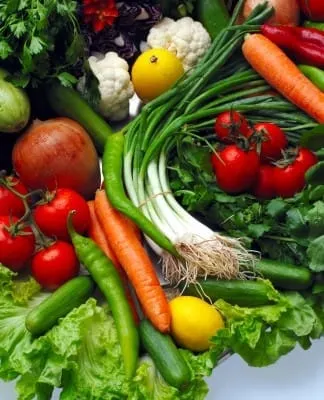
Studies: Diet affects breast cancer risk
Disease
Breast Cancer News: Body Size, Mutations and Survival
A Breast Cancer Research study of 2,800 Swedish breast cancer patients and 3,100 women without it found a large body type at age seven was associated with lower risk of postmenopausal breast cancer. A second item reports U.K. five-year breast cancer survival rose by 1.3 percent.
Cancer
New evidence: Vitamin D supplements reduce breast cancer risk
In a Canadian case-control study of 3,101 breast cancer patients and 3,471 controls, women taking 400 IU of vitamin D a day had 24 percent lower risk than non-users. Vitamin D from food showed no association, and calcium supplements were not significantly linked to risk.
Food
Teens drinking alcohol face higher risk for breast cancer
A Pediatrics study that followed 6,899 girls aged 9 to 15 found those drinking six or seven days a week were 5.5 times more likely to develop benign breast disease, which can progress to breast cancer, than non-drinkers. Drinking three to five days a week tripled the risk.
Disease
At Least Two Thirds of Breast Cancer Cases are Likely Avoidable
Researchers at a European breast cancer conference estimated up to a third of Western breast cancer cases could be avoided if women ate less and exercised more, since fat tissue makes estrogen. Mercola calls that estimate far too low and puts the avoidable share at two-thirds or more.
Miscellaneous
Martina Navratilova has breast cancer
Martina Navratilova said she has ductal carcinoma in situ, a non-invasive cancer confined to the milk ducts, and credited mammogram screening for the early diagnosis. Media reports call her prognosis excellent, and she urged others to get annual mammograms.
Cancer
Martina Navratilova diagnosed with breast cancer, what you need to know
Martina Navratilova, 53, said she was diagnosed with breast cancer after resuming mammogram screening she had skipped for four years, and doctors call her prognosis excellent. The writer pairs the news with arguments that screening radiation itself raises risk.
Vitamins
Taking multivitamins may raise breast cancer risk
Following 35,000 Swedish women aged 49 to 83 for a decade, researchers found those taking multivitamins were 19 percent more likely to be diagnosed with breast cancer. The design cannot show cause, and the authors note supplement users may already have been at higher risk.
Environment
Chemical exposure before mid-30s triples breast cancer risk
Comparing 556 Montreal women with breast cancer to 613 controls, researchers found that workplace exposure to certain chemicals before age 36 carried particularly high risk: acrylic fibres were linked to a sevenfold risk and nylon fibres to roughly double.
Nutrition
Eating veggies, fruit, soy cuts breast cancer risk
Among 34,000 Singapore Chinese women followed 10 years, those eating the most vegetables, fruit and soy were 30 percent less likely to develop breast cancer than those eating the least. At five years the reduction among postmenopausal women reached about 50 percent.
209 stories